Genre Guides
Best Techno Playlists on Spotify 2026
Marcus Deane · · 12 min read
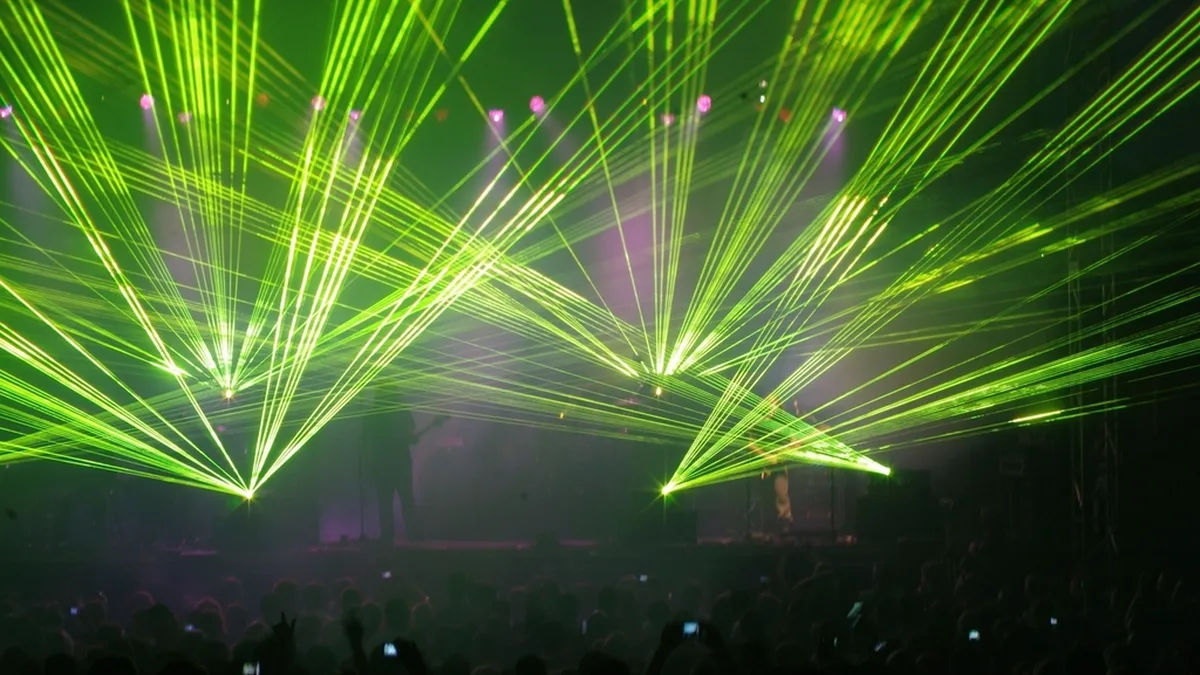
Techno has one of the deepest and most fragmented playlist ecosystems on Spotify. Unlike genres with one or two dominant sounds, techno splits into distinct sub-scenes — peak-time, melodic, hard, hypnotic, minimal, industrial — that often share almost no listeners at all. That means the question 'what are the best techno playlists on Spotify' has a different answer depending on which techno you actually make. This guide walks through how to identify strong playlists across the major sub-scenes, what separates a genuinely valuable playlist from a hollow one, and how new and established artists alike can realistically get placed in 2026.
Why 'Best' Depends on Your Sub-Scene
A 200,000-follower generic 'techno hits' playlist and a 12,000-follower peak-time techno playlist with a genuinely coherent tracklist are not competing products — they serve completely different purposes. The generic list often mixes commercial dance-pop crossovers with actual club techno, which means its audience has no consistent taste profile. A track placed there might rack up streams, but those streams rarely convert into saves, and low-save, high-skip data can actively work against your algorithmic profile. The tightly curated sub-scene playlist, even at a fraction of the size, delivers listeners whose taste is dense with artists adjacent to yours — exactly the audience the Spotify algorithm uses to decide who else should hear you next.
Peak-Time and Driving Techno Playlists
Peak-time techno — the pounding, high-energy, festival-headline style — has the largest playlist volume of any techno sub-scene, which means the highest turnover and the most frequent openings for new tracks. The best playlists in this category update weekly or biweekly, keep a tight BPM range (usually 130–150), and mix established headliners with a visible rotation of newer names, which signals an active curator rather than a static, abandoned list. When evaluating a peak-time playlist, check whether recent additions actually match your energy level — a mid-tempo, groove-driven record will feel out of place next to relentless four-on-the-floor peak-time cuts, and curators notice that mismatch immediately.
Melodic Techno Playlists
Melodic techno has exploded in playlist volume over the last few years, driven by the genre's crossover appeal with progressive house audiences. The strongest melodic techno playlists on Spotify combine emotive, often minor-key production with a driving low end, and their listener base tends to have unusually high save and replay rates compared to techno as a whole — melodic techno listeners treat tracks more like songs to return to than functional DJ tools, which is valuable data for the algorithm. Look for playlists that update at least monthly, keep artwork and descriptions current, and feature a visible mix of majors, respected independent labels and emerging artists rather than only chart-topping names.
Hard, Industrial and Hypnotic Techno Playlists
Hard and industrial techno
Hard and industrial techno playlists are a smaller, more specialist category, but the audiences are extremely loyal. Curators here tend to be DJs and labels rather than generalist playlist accounts, and submissions that clearly understand the aesthetic — distorted textures, aggressive kicks, minimal melodic content — get taken far more seriously than polished commercial techno dressed up as 'hard.' Because the audience is smaller, a single strong placement can represent a meaningful share of a hard techno artist's total monthly listeners, which makes matching even more important than in higher-volume sub-scenes.
Hypnotic and minimal techno
Hypnotic and minimal techno playlists reward patience over hooks — long, evolving tracks with subtle variation over time. These playlists tend to have smaller follower counts but extraordinarily high completion rates, since the audience is specifically seeking out longer-form, slow-building material rather than three-minute radio-ready cuts. If your track is a long, evolving arrangement, do not shorten it purely to fit a 'streaming best practice' — for this specific sub-scene, the long-form version often performs better because it's exactly what the audience came for.
How to Evaluate Any Techno Playlist Before Submitting
Regardless of sub-scene, four checks separate a playlist worth your time from one that isn't. First, update frequency — a playlist that hasn't added a new track in six months has an inactive curator and a stale, disengaged audience. Second, tracklist coherence — scroll through the last twenty additions and confirm they genuinely match the genre in the title; a 'techno' playlist padded with tech house, trance and pop remixes tells you the curator (or the algorithm generating it) has no real definition of the genre. Third, subgenre and tempo fit specific to your track, not just the broad genre label. Fourth, legitimacy — a playlist whose follower count jumped by tens of thousands overnight, visible through tools like Chartmetric or SpotOnTrack, is very likely built on purchased or fake followers, and the resulting streams from placement there will be low-quality, high-skip and potentially filtered from your royalties entirely.
Finding and Reaching the Right Curators in 2026
Manual discovery still works: search Spotify directly using sub-scene-specific terms, check the 'Fans Also Like' and related playlist suggestions on tracks similar to yours, and follow labels in your lane to see what playlists they get added to. Submission platforms and curator directories can speed this up, but always verify a playlist independently before pitching — directory listings are not vetted for coherence or legitimacy.
For artists who want to skip the manual matching process, a managed curator network routes your track directly to techno curators whose recent additions already sit in your specific sub-scene — peak-time, melodic, hard or hypnotic — rather than treating techno as one undifferentiated genre. BeatGrow's techno campaigns work this way: every curator listens and reviews the track, and placements happen only when there's a genuine fit, which is exactly the standard this guide has been describing throughout.
One more factor worth tracking as you shortlist playlists in any techno sub-scene: listener retention over time, not just the initial add. A playlist that keeps a track in rotation for months sends a stronger, more sustained signal to the algorithm than one that adds and drops tracks within days. If you can see (through Spotify for Artists or third-party tools) how long previous additions stayed on a given playlist, that tells you far more about its real value than its follower count ever will.
Peak-time techno playlists in particular are worth revisiting every few months, since curator rotation is fast and a playlist that was strong six months ago may have drifted toward a different tempo range or energy level by the time you're ready to pitch your next release.
Conclusion: Match the Sub-Scene, Not Just the Genre Tag
The best techno playlists on Spotify in 2026 aren't a fixed top-ten list — they're whichever playlists in your specific sub-scene are active, coherent and genuinely listened to by an audience that saves and returns to music like yours. Treat 'techno' as four or five separate genres for promotion purposes, evaluate every playlist on update frequency and tracklist coherence before submitting, and be honest with yourself about which lane your record actually sits in.
Ready to get your techno record in front of curators who program your exact sub-scene? Start a BeatGrow techno campaign and get matched with active, genre-specific playlist curators who listen to every submission and leave honest feedback on the ones they don't add.
Related on BeatGrow